Why this database exists
This is a public record of Americans — including dual citizens — harmed in Israel and the occupied Palestinian territories, where responsibility has been attributed by credible public reporting to Israeli soldiers, settlers, or police. Each case records who was harmed, what happened, where it happened, and how the United States responded.
In the more than two decades this record covers, no one has been criminally prosecuted for the death or injury of an American documented here.
— THE RECORD, 2003–2026
The record is compiled from established news organizations, official statements, and investigation findings. This is a living archive: cases are added as they are verified, and corrections are welcome.
Where it happened
Sama Safi, a 20-year-old Palestinian-American honors psychology student at Birzeit University, was seized from her family's home in Ramallah in the occupied West Bank at about 3 a.m. on June 2, 2026, when roughly ten Israeli soldiers raided the residence and took her into custody. She told the soldiers she was a U.S. citizen, but they ignored her, and she was held for weeks without charge at Ofer military prison. An Israeli military spokesperson told The Guardian that Safi and three other female students were arrested for "promoting hostile terrorist activity," alleging ties to a Birzeit student group linked to the Popular Front for the Liberation of Palestine; Safi denies any involvement. She suffers from familial Mediterranean fever, a chronic autoinflammatory disease requiring daily medication, and lawmakers including Senators Chris Van Hollen and Jeff Merkley warned her health was at risk and demanded her release.
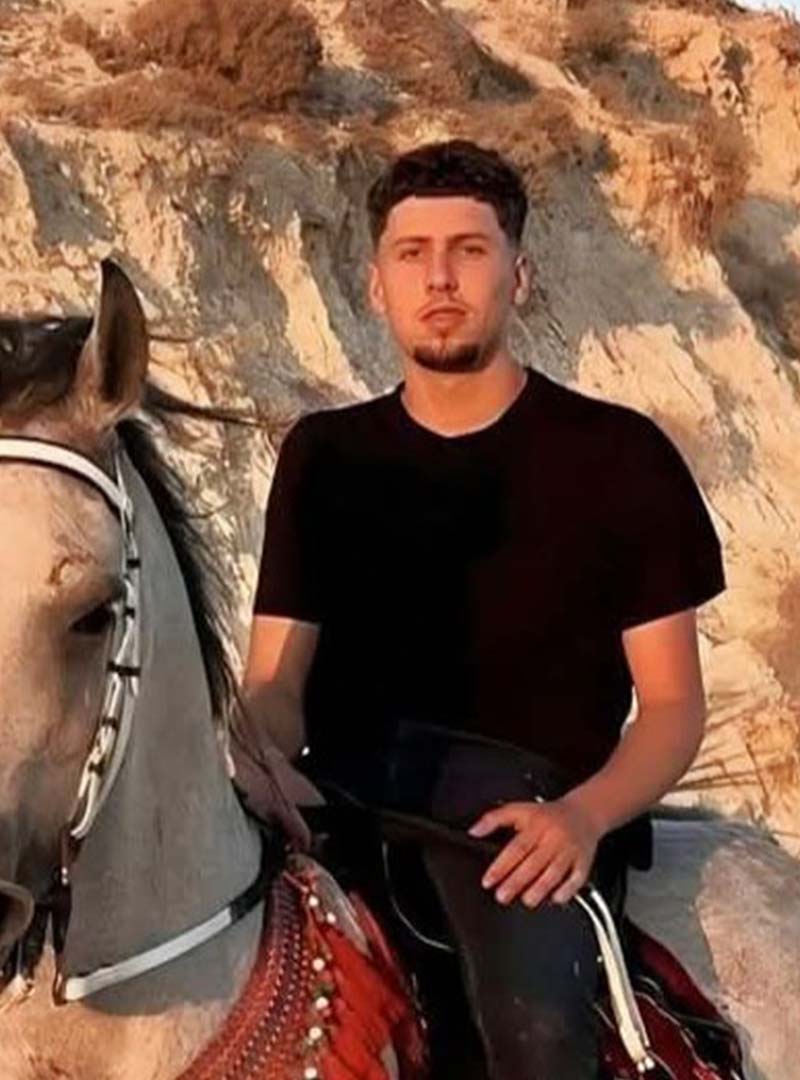
Nasrallah Abu Siyam, a 19-year-old Philadelphia-born U.S. citizen, was killed on February 18, 2026, when a group of roughly 30 Israeli settlers, reportedly from the Neve Erez outpost, attacked the Palestinian village of Mukhmas, northeast of Jerusalem in the occupied West Bank. According to witnesses cited by the Associated Press, he had intervened to defend a farmer under settler attack when a settler shot him in the thigh at close range, severing his femoral artery; witnesses also said he was beaten, and he died en route to a hospital in Ramallah. U.S. senators led by Mark Warner pressed the administration for an investigation, and Pennsylvania Gov. Josh Shapiro asked the Department of Justice to investigate his death.
Greg Stoker, a former U.S. Army Ranger and antiwar activist from Austin, Texas, was detained on October 1, 2025, when Israeli naval forces intercepted the Global Sumud Flotilla in international waters in the Mediterranean as the civilian aid fleet of more than 40 boats sailed toward Gaza. Stoker, one of five U.S. military veterans aboard the vessel Ohwayla, was taken to the Israeli port of Ashdod and then held at Ketziot Prison in the Negev desert alongside hundreds of detained activists, including Greta Thunberg. According to KUT and Stars and Stripes, he was released after roughly five days and flown to Slovakia, arriving in Bratislava before returning to Austin on October 7. Speaking from Slovakia, Stoker said detainees who remained imprisoned had begun a hunger strike after Israel denied insulin to diabetic members. His congressman, Rep. Lloyd Doggett, worked with Stoker's family to help secure his release; the State Department dismissed the flotilla as a "meaningless political stunt."
David Adler, a 33-year-old Jewish-American co-general coordinator of the Progressive International from Encino, California, was detained on October 1, 2025, when Israeli naval forces intercepted the Global Sumud Flotilla in international waters in the Mediterranean as it tried to break Israel's blockade of Gaza. Adler said he was 'kidnapped, stripped, zip-tied, blindfolded' and held for five days at Ketziot prison, a detention camp in the Negev desert, where he described psychological torture, nighttime raids with dogs, and the denial of food, water, and legal support. He said that after guards saw his full name on his passport and asked whether he was Jewish, he confirmed that he was, and they then ripped him by the ear and forced him to bend down toward the Israeli flag. He was deported to Jordan on October 7 with other U.S. citizens. U.S. senators led by Elizabeth Warren pressed the State Department over its delayed consular response, which Adler said amounted to officials telling detainees, 'We are not your babysitters.'

Khamis Ayyad, a 41-year-old U.S. citizen who had lived in the Chicago area before moving to the West Bank with his family, died of smoke inhalation on July 31, 2025, after Israeli settlers reportedly set fire to homes and cars in the village of Silwad, northeast of Ramallah, according to his family, witnesses, and the Palestinian Authority health ministry. Residents said Ayyad, a father of five, was trying to extinguish the fires when he was overcome by smoke. The U.S. State Department confirmed the death of a U.S. citizen in Silwad and said it condemned "criminal violence by any party in the West Bank"; the Israeli military said suspects had fled before troops arrived, and Israeli police opened an investigation into the arson.
Huwaida Arraf, a 49-year-old human rights attorney born in Detroit, Michigan, and a dual U.S.-Israeli citizen, was detained on July 26, 2025, when Israeli naval forces boarded the Gaza-bound aid ship Handala in international waters roughly 40 nautical miles off the coast. Arraf, a co-founder of the International Solidarity Movement, was among 21 activists seized as the vessel, which was carrying baby formula, food and medicine, attempted to breach Israel's blockade of Gaza. The Handala was towed to the Israeli port of Ashdod, where, according to Adalah, Arraf and fellow dual national Bob Suberi were transferred to police custody and interrogated before being released without charge; because they held Israeli citizenship, they could not be deported like the foreign crew. Arraf then joined Adalah's legal team representing the remaining detainees. She condemned the raid as unlawful, describing it as Israeli piracy in international waters.
Christian "Chris" Smalls, a 37-year-old New Jersey-born U.S. citizen and co-founder of the Amazon Labor Union, was seized on July 26, 2025, when Israeli naval forces boarded the Freedom Flotilla aid ship Handala in international waters roughly 40 nautical miles off Gaza. Smalls and 20 other activists were carrying baby formula, food, and medicine to the blockaded territory. According to the Freedom Flotilla Coalition, after Smalls—the only Black member of the crew—reached an Israeli prison, seven uniformed officers "choked him and kicked him in the legs, leaving visible signs of violence on his neck and back." He was held at Givon Prison, contracted scabies, went on a hunger strike, and was deported to New York on July 31. CAIR urged the U.S. Justice Department to investigate his treatment, and Smalls said he planned to sue Israel.
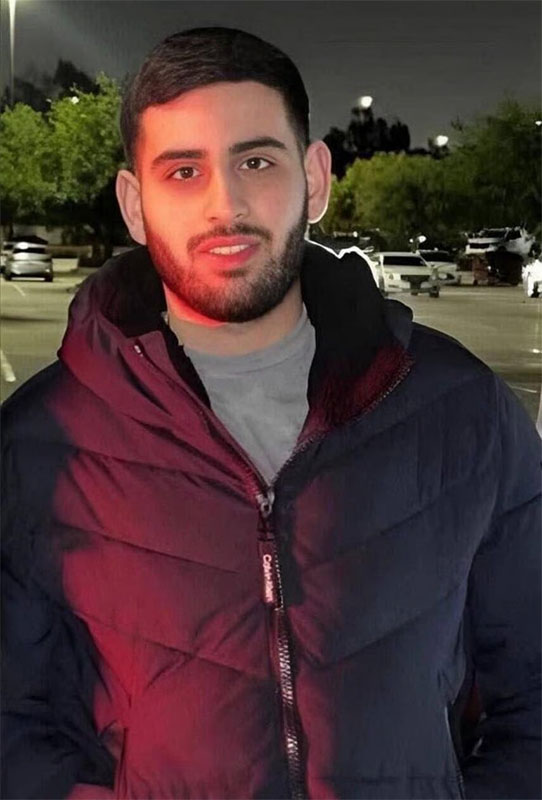
Sayfollah "Saif" Musallet, a 20-year-old U.S. citizen born in Florida and living in Tampa, was beaten to death on 11 July 2025 while visiting family land near the town of Sinjil in the occupied West Bank; according to his family and eyewitnesses he was attacked by Israeli settlers, who also reportedly blocked ambulances from reaching him for hours. A second Palestinian man, Mohammed al-Shalabi, was fatally shot during the same incident. U.S. Ambassador to Israel Mike Huckabee described the killing as a "criminal and terrorist act" and asked Israel to "aggressively investigate"; Israeli authorities said an investigation was opened.
Rabbi Arik Ascherman, an American-born Israeli human rights activist who heads Torat Tzedek and formerly led Rabbis for Human Rights, was reportedly beaten by Israeli settlers on the evening of June 11, 2025, near the Palestinian village of Mukhmas in the West Bank, where he had gone in a protective-presence role after reports of settler gunfire. According to Ascherman and news reports, he was struck with a rifle butt and a large club, suffering fractures to his neck and back, and was treated at Shaare Zedek Medical Center in Jerusalem. The Israeli military described the incident as a violent confrontation with stone-throwing and mutual assaults between Palestinians accompanied by Israeli civilians and other Israeli civilians; Torat Tzedek said it reported the attack to Israeli police, and rabbinic groups including T'ruah and the CCAR condemned the assault and called for prosecution of the attackers.
Ayoub Jabara, a 14-year-old U.S. citizen born in Little Ferry, New Jersey, was shot and critically wounded on April 6, 2025, when Israeli soldiers opened fire on three Palestinian-American boys near the West Bank town of Turmus Ayya, north of Ramallah. The same volley killed his 14-year-old friend Amer Rabee. The boys' families and the town's mayor said the three had gone to pick green almonds, while the Israeli military claimed they were "terrorists" throwing rocks toward a nearby highway, an account relatives disputed. According to the USA TODAY Network, Jabara — whose name is also rendered Ijbara — was shot three times, lost roughly 16 pints of blood, and underwent hours of emergency surgery, spending days in intensive care in Ramallah. Senators Cory Booker and Andy Kim named him in an April 11 letter urging an investigation into his wounding, and a State Department spokesperson offered condolences while noting Israel said it was investigating.
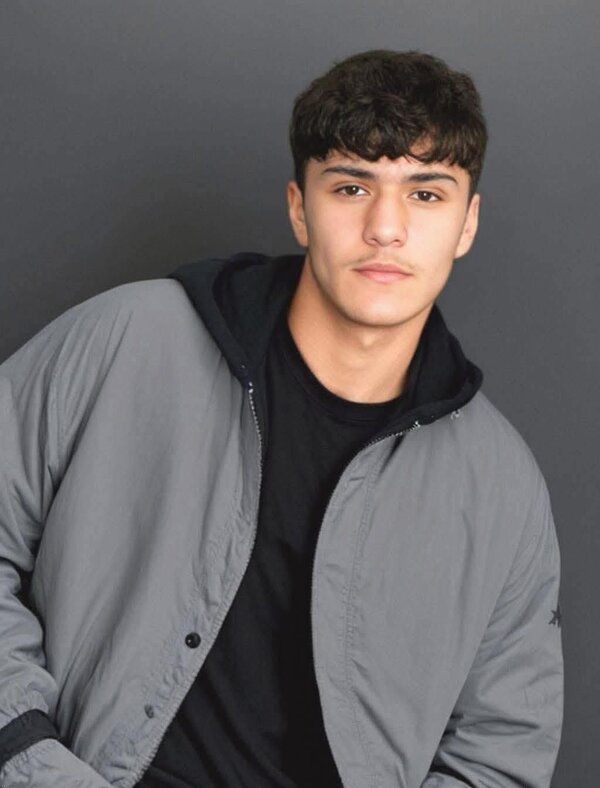
Amer Mohammed Saada Rabee, a 14-year-old Palestinian-American from Saddle Brook, New Jersey, was shot dead by Israeli soldiers on April 6, 2025, at the edge of Turmus Ayya, north of Ramallah in the occupied West Bank; two other teenagers, including U.S. citizen Ayoub Jabara, were wounded in the same shooting. His family said the boys were picking green almonds, while the Israeli military said its soldiers fired at "three terrorists who hurled rocks toward the highway." The U.S. State Department offered condolences and acknowledged that Israel was investigating, and New Jersey Senators Cory Booker and Andy Kim called on the U.S. administration to investigate the killing.

Mohammed Zaher Ibrahim, a 15-year-old U.S. citizen born in Florida, was arrested by Israeli soldiers on February 16, 2025, during a raid on his family's home in Al-Mazra'a ash-Sharqiya in the occupied West Bank and held for over nine months in Israeli military detention on stone-throwing allegations, without trial and without family visits. According to his lawyer, family, and rights groups, he was beaten during interrogation, lost roughly 26-33 pounds, and contracted scabies while held at Megiddo and Ofer prisons; his case drew appeals from U.S. lawmakers and more than 100 organizations urging U.S. government intervention. He was released on November 27, 2025, and was hospitalized upon release.
Jeremy Loffredo, a 28-year-old American journalist for the independent outlet The Grayzone, was detained on October 8, 2024, when Israeli soldiers stopped him and several other reporters at a checkpoint in the northern occupied West Bank. According to fellow detainees and reporting by The Intercept, the journalists were held at gunpoint, blindfolded, and roughed up before being taken to a military base and then to a police station in the Israeli settlement of Ma'ale Adumim. Israeli police accused Loffredo of "aiding the enemy during wartime" over a video report documenting where Iranian missiles had struck Israel, including near the Nevatim air base. On October 11, after four days in custody, a district court ordered his release for lack of evidence but barred him from leaving Israel until October 20 and withheld his phone and passport. The Committee to Protect Journalists condemned the arrest as an attack on press freedom.
Kamel Ahmad Jawad, a 56-year-old U.S. citizen and longtime Dearborn, Michigan resident, was killed on October 1, 2024, in an Israeli airstrike on Nabatieh in southern Lebanon, where he had traveled to care for his elderly mother. According to his family, he chose to stay near Nabatieh's main hospital during Israel's bombardment, delivering food, mattresses and other aid to elderly, disabled and displaced residents who could not flee. A father of four, he was mourned at a funeral at the Islamic Center of America in Dearborn attended by thousands. State Department spokesperson Matthew Miller initially described Jawad as a legal permanent resident, but the department later confirmed he was a U.S. citizen, saying it was "a moral and strategic imperative that Israel take all feasible precautions to mitigate civilian harm." The White House National Security Council said it was "deeply saddened" by his death, calling it "a tragedy, as are the deaths of many civilians in Lebanon."
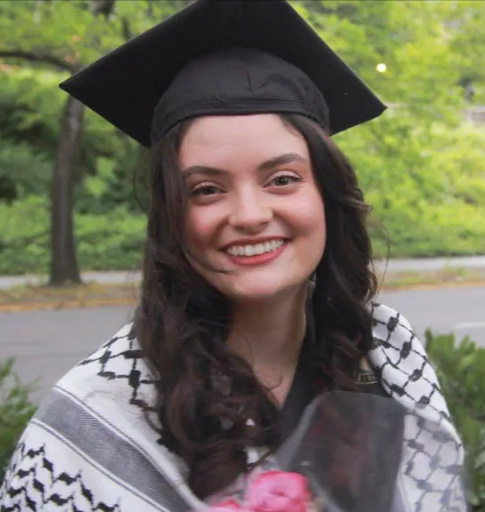
Ayşenur Ezgi Eygi, a 26-year-old dual U.S.-Turkish citizen from Seattle volunteering with the International Solidarity Movement, was shot in the head and killed on September 6, 2024, during a protest against settlement expansion in Beita, near Nablus in the occupied West Bank. A preliminary Israeli military inquiry found it "highly likely" she was hit "indirectly and unintentionally" by Israeli army fire, a finding disputed by eyewitnesses and video-based reporting suggesting the shooting was deliberate. President Biden called the killing "totally unacceptable," and U.S. officials and more than 100 members of Congress called for accountability and an independent U.S. investigation.
Daniel Santiago, a Filipino-American U.S. citizen, community organizer, and high school English teacher from Jersey City, New Jersey, was shot and wounded on August 9, 2024, during a weekly Palestinian demonstration against Israeli settlement expansion in the West Bank village of Beita, south of Nablus. According to his own first-person account in TIME and reporting by CBS New York, Israeli soldiers fired tear gas and live ammunition at protesters, and as Santiago fled through an olive grove a soldier shot him through the upper right thigh; doctors in Nablus identified the wound as caused by an M16 round, and he was hospitalized for days. The Israeli army called the shooting an "accident," saying troops had fired into the air, but Santiago disputed this, noting the bullet passed straight through his leg. He had used the pseudonym Amado Sison for safety. One month later, activist Ayşenur Ezgi Eygi was killed at the same protest site.
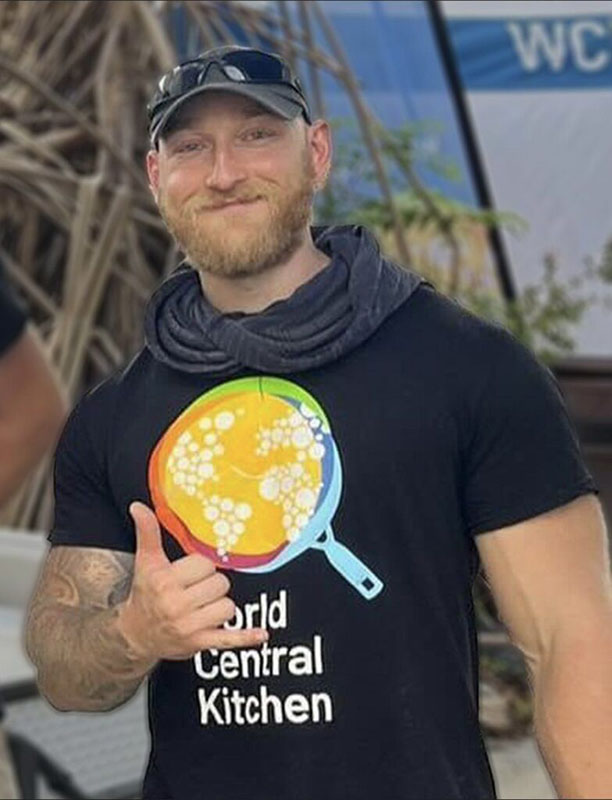
Jacob Flickinger, a 33-year-old dual U.S.-Canadian citizen working for World Central Kitchen, was killed on April 1, 2024, when Israeli drone strikes hit a clearly marked WCK aid convoy on the al-Rashid coastal road near Deir al-Balah in the Gaza Strip, killing him and six colleagues. The convoy's route had reportedly been coordinated in advance with the Israeli military. The Israeli military acknowledged responsibility, and its internal investigation concluded the strikes were carried out in serious violation of its procedures after a commander mistakenly identified the aid workers as armed Hamas operatives; two officers were dismissed, while WCK and Flickinger's family called for an independent investigation.
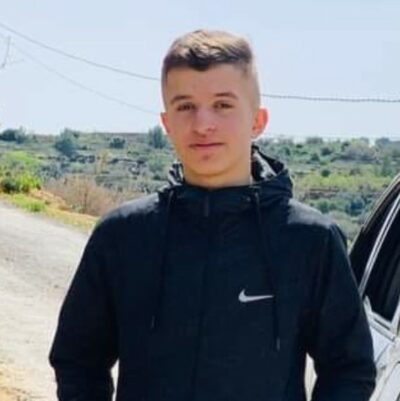
Mohammad Ahmed Khdour, a 17-year-old U.S. citizen born in Florida, was fatally shot on February 10, 2024, while in a car with his cousin near the town of Biddu, northwest of Jerusalem in the occupied West Bank; he died hours later at a hospital in Ramallah. Defense for Children International - Palestine reported he was shot in the head by Israeli forces, while his family said the gunfire came from a vehicle with an Israeli license plate and that they believed the shooter was an Israeli settler; the Israeli military referred questions to the Shin Bet security service. U.S. Secretary of State Antony Blinken called for an investigation, U.S. investigators visited the family, and as of late 2024 an Israeli investigation was reportedly ongoing with no suspect arrested.
Hashem Alagha, a 20-year-old U.S. citizen born and raised in the Chicago suburb of Lombard, Illinois, was detained early on February 8, 2024, when Israeli soldiers raided his family's shelter in al-Mawasi, a coastal area near Khan Younis in the southern Gaza Strip that Israel's military had designated a safe zone. According to his cousin Yasmeen Elagha and reporting by the Associated Press and CNN, soldiers broke down the door before dawn, tied up and blindfolded the women and girls, and took away Hashem, his 18-year-old brother Borak, their Canadian father and other male relatives. The brothers, dual American-Canadian citizens, were transferred to Ashkelon prison inside Israel and held without charge on Israeli suspicion of assisting senior Hamas officials, claims the family and their attorney rejected as baseless. The State Department confirmed the detentions and repeatedly sought consular access, but the brothers remained held for weeks.
Borak Alagha, an 18-year-old Chicago-born U.S. citizen whose family is from the suburb of Lombard, Illinois, was detained on February 8, 2024, when Israeli soldiers raided his family's shelter in the al-Muwasi 'safe zone' near Khan Younis in the southern Gaza Strip. According to relatives cited by the Associated Press and CNN, troops broke through the door around 5 a.m. as the family slept, tied up and blindfolded women and children, and seized Borak along with his 20-year-old brother Hashem, their Canadian-citizen father, and other male relatives. The brothers, engineering students, were later held in Ashkelon prison in Israel. Israel's Consul General to the Midwest, Yinam Cohen, said they were 'arrested for collaboration with Hamas,' an accusation the family's attorney called baseless. The U.S. State Department repeatedly sought consular access while relatives said Washington had failed them.
Samaher Esmail, a 46-year-old U.S. citizen from Gretna, Louisiana, where she managed a family grocery store, was seized in a night raid on February 5, 2024, when Israeli soldiers forced their way into a home she owns in Silwad, a Palestinian town northeast of Ramallah in the occupied West Bank. Her family said the soldiers dragged her from her bed without her headscarf and beat her; Israel's military charged her with "incitement" over social-media posts. According to court documents and a letter to Secretary of State Antony Blinken from a consultant working for her family, she was denied a lawyer for four days, went without medication for cancer and kidney conditions for at least six days, and fainted in custody, while a U.S. consular officer did not visit for 14 days. Held at Damon prison inside Israel, she was released on bail on February 29, 2024, to await trial in an Israeli military court.
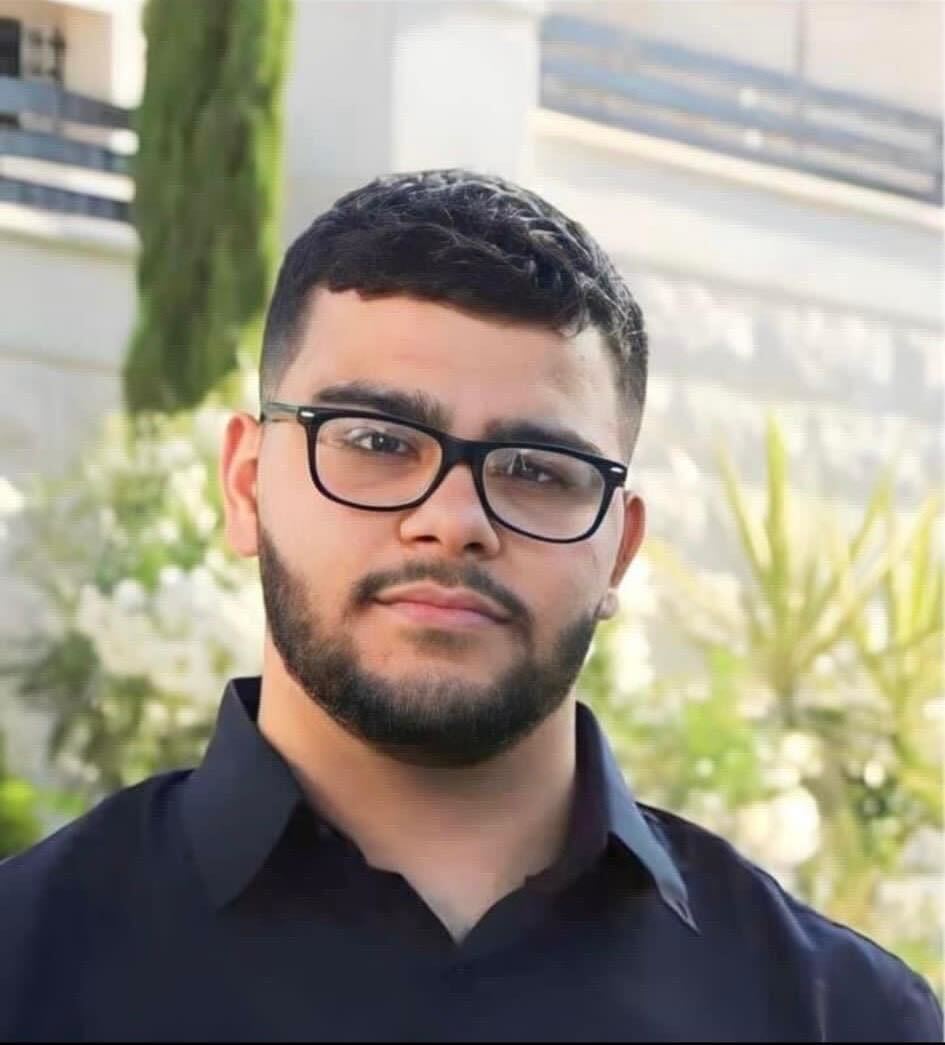
Tawfic Hafeth Abdel Jabbar, a 17-year-old American citizen from Gretna, Louisiana, was fatally shot on January 19, 2024, while driving near his family's ancestral town of Al-Mazra'a ash-Sharqiya in the occupied West Bank. According to an Israeli police statement, an off-duty Israeli police officer, an Israeli soldier and an Israeli settler had opened fire toward the vehicle, which police linked to alleged stone-throwing; the sole passenger told the Associated Press the shooting was unprovoked. The U.S. government called for an urgent investigation, but as of mid-2025 Israeli authorities had released no findings and no one had been charged.
Dylan Collins, a 37-year-old American video journalist for Agence France-Presse and a Vermont resident, was severely wounded on October 13, 2023, near the village of Alma al-Shaab in southern Lebanon, close to the Israeli border. According to Reuters, AFP, Amnesty International, Human Rights Watch and UNIFIL investigations, an Israeli Merkava tank fired two shells 37 seconds apart at a group of seven clearly marked journalists filming cross-border clashes from a hilltop. Collins, who wore a helmet and a “PRESS”-marked flak jacket, was struck by shrapnel in the head, arms and torso. The first shell killed Reuters videographer Issam Abdallah and gravely wounded AFP photojournalist Christina Assi, whose right leg was amputated. The Committee to Protect Journalists said there was strong evidence the strike was a war crime. Secretary of State Antony Blinken urged Israel to investigate, and U.S. Senators Bernie Sanders and Peter Welch pressed the State Department and called for a Justice Department probe.
Cassandra Dixon (identified in some reports, including +972 Magazine and The Daily Beast, as Cassandra Auren; full name Cassandra Auren Dixon), a 64-year-old U.S. citizen and residential carpenter from Madison, Wisconsin, was seriously injured on March 7, 2023, when Israeli settlers from the illegal Havat Ma'on outpost attacked her near the Palestinian herding village of Tuba in Masafer Yatta, in the occupied West Bank's South Hebron Hills. Dixon, a longtime peace activist volunteering with the Italian nonviolence group Operation Dove (Operazione Colomba), was accompanying Palestinians on their land alongside an Italian companion when a group of masked settlers ran toward them. According to +972 Magazine and the Catholic Worker Movement, one settler struck her from behind on the head with a club she likened to a baseball bat, fracturing her skull and causing a subdural hemorrhage; she was hospitalized for two days and required six stitches. Her companion was chased with an iron bar. The U.S. Embassy confirmed to +972 that an American citizen had been attacked and said it was providing assistance.
Hala Kasim Salameh, a 22-year-old U.S. citizen and college student from St. Louis, Missouri, was detained by Israeli forces on Friday, December 16, 2022, at a checkpoint between Ramallah and Jerusalem in the occupied West Bank. According to Al Jazeera and KSDK, Salameh — who was born in the West Bank and carried a U.S. passport, a Palestinian ID, and an Israeli-issued entry permit obtained days earlier — was traveling with her mother, sister, and aunt to visit holy sites in Jerusalem. After the family was turned away at the checkpoint without explanation, she attempted to cross again and was arrested. She was held over the weekend at Neve Tirtza women's prison in Ramla, Israel, and released after a court hearing on Monday, December 19. The U.S. State Department said it was aware of the detention of an American citizen and that her safety was its top priority but declined further comment.
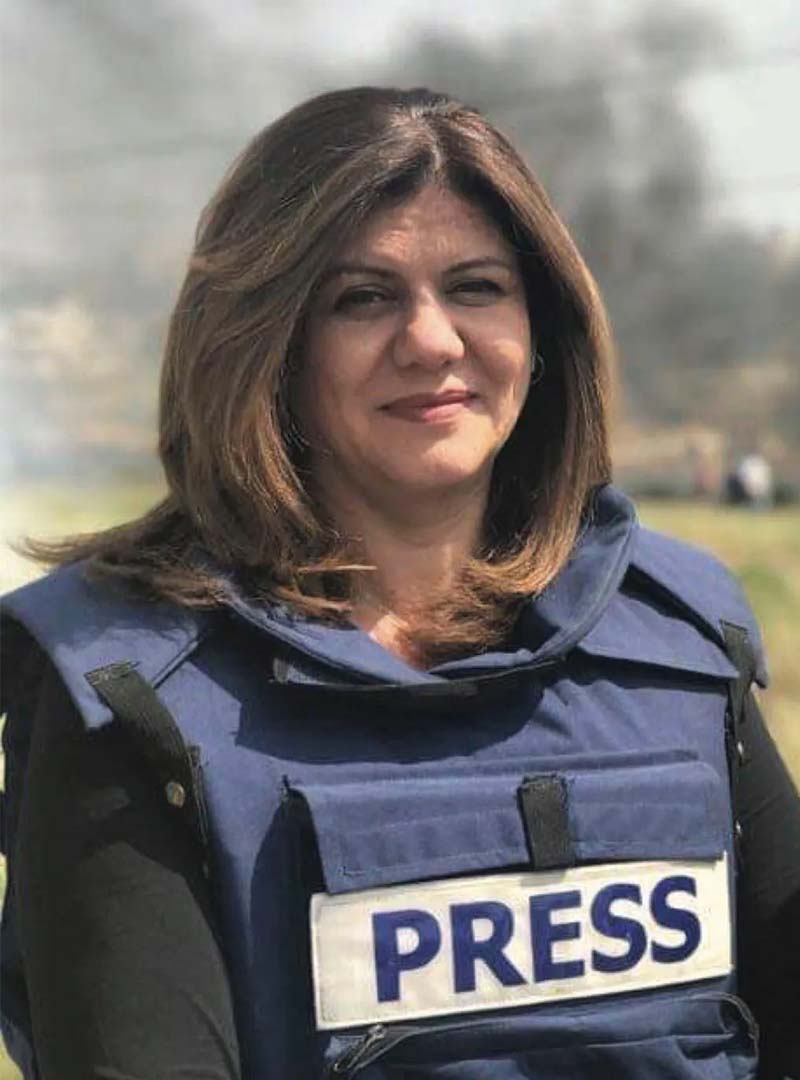
Shireen Abu Akleh, a 51-year-old Palestinian-American journalist for Al Jazeera, was shot in the head and killed on May 11, 2022, while covering an Israeli military raid on the Jenin refugee camp in the occupied West Bank; she was wearing a helmet and a vest marked "PRESS." Investigations by the UN and multiple news organizations attributed the fatal shot to Israeli forces, and the Israeli military acknowledged in September 2022 a "high possibility" that one of its soldiers had shot her, saying any such shooting was accidental. A U.S.-coordinated review concluded that gunfire from Israeli military positions was likely responsible, while stating it found no reason to believe the shooting was intentional; Israel has not opened a criminal investigation.

Omar Assad (Omar Abdalmajeed As'ad), a 78-year-old Palestinian-American who had lived for decades in Milwaukee, Wisconsin, died on January 12, 2022, after Israeli soldiers of the Netzah Yehuda Battalion detained him at a makeshift checkpoint in his home village of Jiljilya, north of Ramallah in the occupied West Bank, where he was bound, blindfolded and gagged and left unresponsive at an abandoned building site. A Palestinian autopsy found he died of a stress-induced heart attack attributed to his treatment, and an Israeli military investigation acknowledged what the IDF called a moral failure, dismissing two officers from their posts and reprimanding a third. In June 2023 the Israeli military advocate general closed the case without criminal charges, a decision the U.S. State Department said it would raise directly with Israel while calling for full accountability.
Ubai Aboudi, a 35-year-old U.S. citizen born and raised in Bloomington, Indiana, was arrested before dawn on November 13, 2019, when about a dozen Israeli soldiers raided his family home in Kafr Aqab, on the northern edge of Jerusalem in the occupied West Bank, and confiscated his U.S. passport. Aboudi, executive director of the Ramallah-based Bisan Center for Research and Development, was placed in administrative detention — imprisonment without charge or trial — under a four-month order issued by the Israeli military commander of the West Bank. Amnesty International issued an Urgent Action condemning his detention, and scholars including Noam Chomsky campaigned for his release. His case was later transferred to the Israeli military court at Ofer, which on June 2, 2020 sentenced him to 12 months in prison and a 2,500-shekel fine. He was released in 2020.
Lara Alqasem, a 22-year-old U.S. citizen from Southwest Ranches, Florida, was detained for more than two weeks at Ben Gurion Airport near Tel Aviv after arriving in Israel on October 2, 2018, to begin a master's program in human rights at the Hebrew University of Jerusalem. Traveling on a U.S. passport with a valid student visa issued by Israel's consulate in Miami, she was stopped by Israeli immigration authorities who accused her of supporting the boycott, divestment and sanctions (BDS) movement, citing her former leadership of the University of Florida chapter of Students for Justice in Palestine. Held in the airport's detention facility while she appealed a deportation order, Alqasem refused to be sent home. On October 18, Israel's Supreme Court ruled unanimously that she could not be barred and ordered her released, allowing her to enter the country. The State Department publicly affirmed the value of free expression during the standoff.
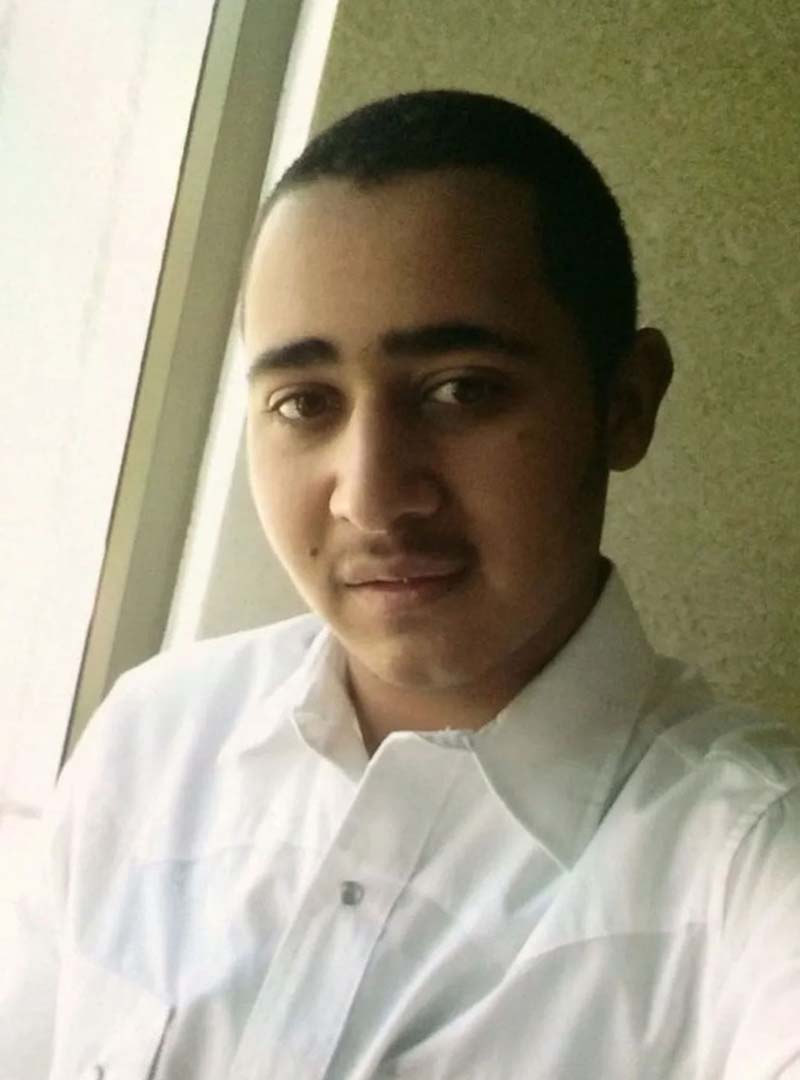
Mahmoud Shaalan, a 16-year-old Palestinian-American born and raised in Florida, was shot and killed by Israeli soldiers on February 26, 2016, at a military checkpoint near the Beit El settlement, north of Ramallah in the occupied West Bank. The Israeli military said he attempted to stab soldiers at the checkpoint; witnesses cited by human rights groups disputed this account, saying he was shot from a distance and again after he fell, and that medical aid was delayed. According to news reports, Israel's military investigation found no wrongdoing by the soldiers and closed the case, while the U.S. State Department expressed concern about the possible use of excessive force.
Orwah (Orwa) Abd al-Wahhab Hammad, a 14-year-old American citizen born in New Orleans, Louisiana, was shot in the neck and killed by Israeli soldiers on October 24, 2014, during clashes in the West Bank town of Silwad, near Ramallah. The Israeli military said soldiers fired at him as he was about to throw a Molotov cocktail toward traffic on a nearby highway, an account disputed by relatives and residents who said he was among stone-throwing youths at a demonstration. The U.S. State Department confirmed the death of the U.S. citizen minor and called for a "speedy and transparent investigation."

Tariq Abu Khdeir, a 15-year-old Palestinian-American from Tampa, Florida, was severely beaten by Israeli border police officers on July 3, 2014, while visiting family in Shuafat, East Jerusalem, during unrest that followed the killing of his cousin Mohammed Abu Khdeir; video showed masked officers punching and kicking him while he was restrained. He was detained and later released on bail, and the U.S. State Department said it was "profoundly troubled" by reports that he was severely beaten while in police custody, calling for a credible investigation. An Israeli border police officer was subsequently convicted of assault and sentenced to 45 days of community service and a suspended prison term; Tariq survived his injuries and returned to the United States.
Munib Masri, a 22-year-old Palestinian-American geology student at the American University of Beirut, was shot in the back with live ammunition on May 15, 2011, when Israeli soldiers fired across the border fence at Maroun al-Ras, Lebanon, during a march marking the 63rd anniversary of the Nakba. Human Rights Watch reported that Israeli fire killed 10 protesters and wounded 112 at Maroun al-Ras, found no evidence that demonstrators breached the fence, and called for a criminal investigation, saying the shootings showed "a disturbing disregard for protesters' lives." The bullet fragmented inside Masri's body, destroying his left kidney and spleen and lodging fragments in his spine; he was left partially paralyzed and uses a wheelchair. The Center for Constitutional Rights documented him as a U.S. citizen critically injured by an Israeli military sniper and criticized Washington's failure to seek accountability. Masri later moved to the United States for rehabilitation.
Mary Ann (Ann) Wright, a retired U.S. Army colonel and former U.S. State Department diplomat, was detained by Israeli naval forces on May 31, 2010, when Shayetet 13 commandos intercepted the Gaza Freedom Flotilla in international waters roughly 70 nautical miles off Gaza. Wright, a U.S. citizen who lives in Honolulu, was aboard the U.S.-flagged Challenger 1. On the flotilla's lead ship, the Mavi Marmara, commandos killed nine passengers, including American citizen Furkan Doğan. Aboard the Challenger 1, Wright said passengers were thrown to the deck, windows were blown out, flash-bang grenades were used, a journalist was hit with an electric shock, and a woman was struck in the face with a projectile. Wright herself was restrained, taken to Israel, held about three days at a prison in Be'er Sheva, and deported. In 2016 she was among four plaintiffs who sued Israel in U.S. federal court over the raid. In the immediate aftermath, the White House said the United States 'deeply regrets the loss of life and injuries sustained,' while the State Department urged Israel to conduct a prompt, credible investigation.
David Schermerhorn, an 80-year-old American film producer from Orcas Island, Washington, was injured on May 31, 2010, when Israeli naval commandos raided the Gaza Freedom Flotilla in international waters roughly 70 nautical miles off the coast of Gaza. Schermerhorn was a crew member aboard the U.S.-flagged Challenger 1, one of six vessels attempting to break Israel's naval blockade and deliver humanitarian aid. According to his attorneys, a stun grenade thrown by Israeli forces exploded about a foot from his head, causing permanent partial loss of sight in one eye; he and other passengers were then restrained, taken by force to Israel, detained for three days, and deported. In 2016 he joined three others in Schermerhorn v. State of Israel, the first U.S. lawsuit over the raid; courts dismissed it, citing Israel's sovereign immunity. He died in 2018 at age 89.
Emily Henochowicz, a 21-year-old American art student at Cooper Union studying on exchange in Jerusalem, was struck in the face by a tear gas projectile fired by Israeli Border Police during a May 31, 2010 demonstration at the Qalandiya checkpoint in the West Bank, held in response to the Gaza flotilla raid. She lost her left eye and suffered multiple facial fractures requiring surgery and metal plates. Witnesses said officers fired canisters directly at protesters, while Israel's Defense Ministry said the canister ricocheted off a concrete barrier; an Israeli police investigation exonerated the officers, and the Defense Ministry initially refused to cover her medical bills.

Furkan Doğan, a 19-year-old dual U.S.-Turkish citizen born in Troy, New York, was shot and killed on 31 May 2010 when Israeli naval commandos raided the Turkish ship MV Mavi Marmara, part of a Gaza-bound aid flotilla, in international waters of the eastern Mediterranean; he was one of nine passengers killed. According to forensic accounts, Doğan was filming with a small video camera when he was first shot and sustained five gunshot wounds, including a close-range shot to the face reportedly received while he lay wounded. A UN Human Rights Council fact-finding mission concluded in September 2010 that his killing could be characterized as an "extra-legal, arbitrary and summary execution"; Israel maintained its soldiers acted in self-defense after meeting violent resistance aboard the ship, and Doğan's family later sued former Israeli defense minister Ehud Barak in U.S. federal court.
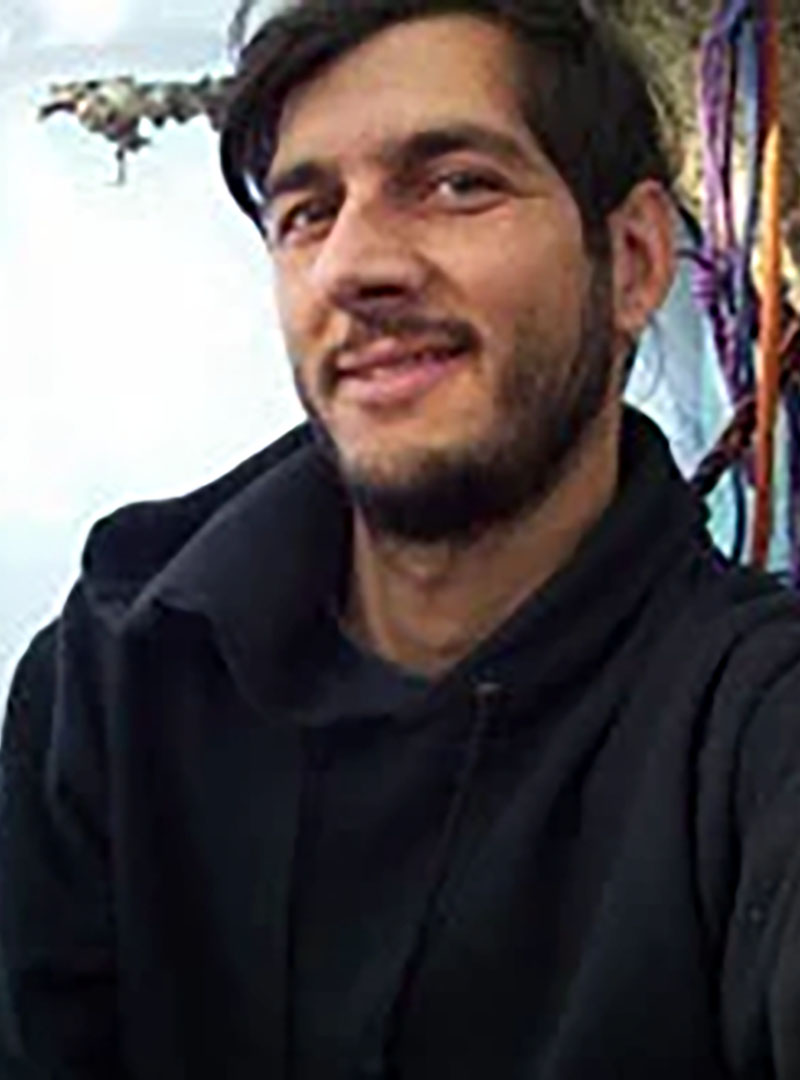
On March 13, 2009, Tristan Anderson, a 37-year-old American activist and photographer from Oakland, California, was struck in the forehead by a high-velocity, extended-range tear gas canister reportedly fired by an Israeli Border Police officer from about 60 meters during a demonstration against the separation barrier in the West Bank village of Ni'lin. He survived with severe permanent brain damage, losing sight in his right eye and suffering partial paralysis, and requires ongoing care. Israeli prosecutors closed the criminal case without charges in September 2009; in July 2013 Israel's High Court of Justice ordered the investigation reopened, and in civil proceedings the state characterized the incident as an "act of war."
Chris Brown, a 40-year-old U.S. citizen from San Francisco, was seriously injured on September 29, 2004, while volunteering with Christian Peacemaker Teams in the South Hebron Hills of the occupied West Bank. Around 7:15 a.m., Brown and fellow American volunteer Kim Lamberty were escorting Palestinian schoolchildren from the village of Tuba toward the school in At-Tuwani, a route flanked by the Israeli settlement of Ma'on and its Havat Ma'on outpost. According to the Washington Times and Christian Peacemaker Teams, five masked settlers dressed in black ambushed them with chains and a bat. The attackers pushed Brown to the ground, whipped him with a chain and kicked him in the chest, puncturing a lung; Lamberty suffered a broken arm and a knee injury. The children fled to safety. Both were taken by ambulance to Soroka Medical Center in Beersheba. The assault drew international attention and Knesset scrutiny of settler violence.
Kim Lamberty, a 44-year-old American volunteer with Christian Peacemaker Teams, was injured on September 29, 2004, when five masked Israeli settlers ambushed her and fellow volunteer Chris Brown on a dirt road between the Palestinian villages of Tuba and At-Tuwani, in the South Hebron Hills of the occupied West Bank. The two were escorting Palestinian children to school when the settlers, dressed in black and reportedly from the Ma'on Ranch (Havat Ma'on) outpost, attacked them with a chain and a bat. Lamberty suffered a broken arm and a knee injury that left her unable to walk, while Brown sustained a punctured lung. According to Christian Peacemaker Teams, roughly thirty minutes passed before Israeli police and soldiers responded to Brown's call for help. The Washington Times and CPT identified both as U.S. citizens. The attack helped prompt the Israeli army to begin providing military escorts for the children on their route to school.
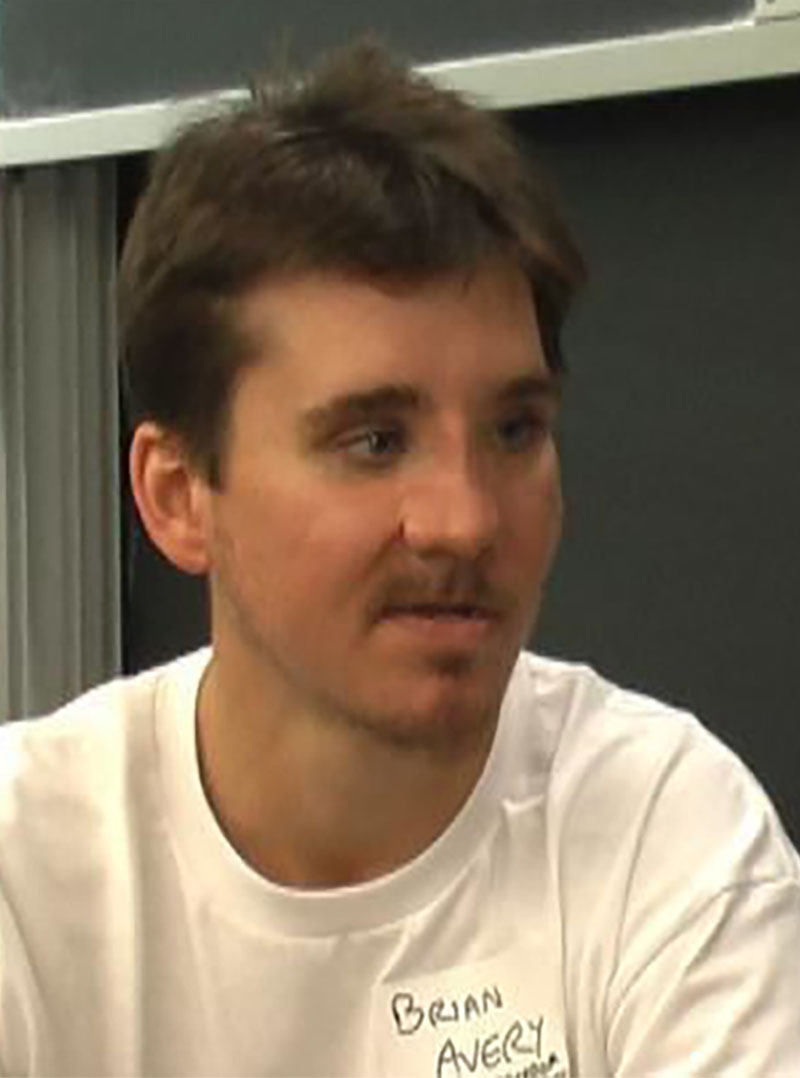
Brian Avery, a 24-year-old American volunteer with the International Solidarity Movement from Albuquerque, New Mexico, was shot in the face on April 5, 2003, in Jenin, West Bank, reportedly by heavy machine-gun fire from an Israeli armored personnel carrier while he stood unarmed wearing a vest marked "doctor" during a curfew. He survived but suffered permanent facial disfigurement; Human Rights Watch described the shooting as unprovoked and outside any apparent hostilities, while an initial Israeli army inquiry exonerated its soldiers and suggested Palestinian fire, an account disputed by multiple eyewitnesses. Following a petition, Israel's Supreme Court pressed for further investigation, and in November 2008 Avery accepted a settlement of NIS 600,000 (about US$150,000) from the State of Israel in exchange for dropping his lawsuit.

Rachel Corrie, a 23-year-old American activist from Olympia, Washington, was crushed to death by an Israeli military Caterpillar D9 armored bulldozer on March 16, 2003, in Rafah, Gaza Strip, while protesting Palestinian home demolitions with the International Solidarity Movement. The Israeli military's investigation concluded her death was an accident, saying the driver did not see her, while fellow activists said she was clearly visible in a fluorescent jacket. In 2012 the Haifa District Court dismissed her family's civil suit, ruling the state not liable — a verdict Israel's Supreme Court upheld in 2015 — and U.S. officials stated they did not believe the Israeli investigation had been "thorough, credible and transparent."
PUT THE RECORD TO WORK
FOR POLICYMAKERS
A one-page briefing on the record — the pattern, the numbers, and the sources — ready for congressional staff.
BRIEFING PDF ↓FOR JOURNALISTS
The full dataset — every case, dated, mapped, and sourced — downloadable as CSV and JSON, plus the methodology.
CASES CSV ↓CASES JSON ↓FOR ADVOCATES
Every case file carries a share-ready social card — post a case link anywhere and the record travels with it.